
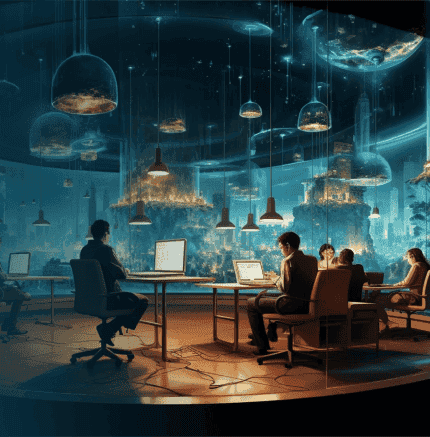
The co-working and flexible office landscape has experienced a significant shift in recent years, with technological advancements, changes in work culture, and an increased focus on sustainability and wellness driving this transformation. This article explores the latest insights and trends in the co-working and flexible office scene, diving into the factors that are revolutionizing workspaces globally.
The Rise of Hybrid Work Models: How Co-working Spaces are Adapting to Changing Demands
With the rise of hybrid work models that blend remote work with in-person collaboration, co-working spaces have had to adapt to meet the evolving needs of their clientele. These spaces now offer a variety of membership options, including hot desks, dedicated desks, and private offices, catering to the needs of both individuals and teams. Moreover, co-working spaces are investing in advanced technology, such as high-speed internet, video conferencing facilities, and secure access systems, to facilitate seamless collaboration and communication.
Sustainability and Design: Green Innovations Transforming the Flexible Office Landscape
Environmental consciousness is at the forefront of today's business world, and the co-working industry is no exception. Green innovations, such as energy-efficient lighting, solar panels, and eco-friendly building materials, are becoming commonplace in flexible office spaces. Additionally, biophilic design elements like indoor plants and natural light help create a pleasant working environment while promoting sustainability.
Building Connections: How Networking Opportunities are Shaping the Modern Co-working Experience
One of the key benefits of co-working spaces is the opportunity to network and collaborate with professionals from various industries. Many flexible offices organize regular events, workshops, and social gatherings, fostering a sense of community among members. This focus on building connections not only enhances the co-working experience but also leads to potential partnerships and business opportunities.
Digital Nomads and Remote Work: The Growing Impact on Co-working and Flexible Office Solutions
The rise of digital nomads and the widespread adoption of remote work have significantly impacted the co-working industry. As a result, flexible office providers have started offering global memberships that grant access to multiple locations worldwide. This enables remote workers and digital nomads to have a professional workspace wherever they go, ensuring productivity and a sense of belonging.
Health and Wellbeing: How Co-working Spaces are Prioritizing Wellness in a Post-Pandemic World
In the wake of the pandemic, health and wellbeing have become increasingly important considerations in workplace design. Co-working spaces now emphasize wellness by offering ergonomic furniture, ample outdoor spaces, and fitness facilities such as gyms and yoga studios. Additionally, providers are implementing strict hygiene protocols and air purification systems to ensure a safe and healthy working environment.
The Growing Role of AI and IoT: Technological Advancements Reshaping the Co-working Environment
Artificial Intelligence (AI) and the Internet of Things (IoT) are playing an increasingly significant role in the co-working landscape. Innovations like smart lighting, temperature control, and occupancy sensors enhance the user experience while optimizing energy consumption. Furthermore, AI-powered virtual assistants and chatbots help streamline administrative tasks, allowing members to focus on their core work.
From Local to Global: The Expansion of Major Co-working Brands and What It Means for the Industry
The co-working industry is experiencing a transformative phase as major brands like Regus and Spaces continue their global expansion, leveraging the growing demand for flexible office solutions. These companies are thriving by opening new locations worldwide, including spaces left by WeWork, which has recently restructured following bankruptcy. While WeWork remains a significant player, its challenges underscore the competitive and rapidly evolving nature of the industry.
This landscape of expansion and restructuring is fueling innovation and diversification, with smaller, niche co-working spaces emerging to cater to specific industries and clientele. These specialized operators are carving out their own spaces in the market, offering tailored solutions that meet unique user needs, thereby further enriching and diversifying the co-working sector.
Flexible Office Financials: Unpacking the Business Model Behind Today's Co-working Success Stories
The financial success of co-working spaces can be attributed to several factors, including their ability to maximize real estate efficiency and offer flexible membership options. By reducing long-term lease commitments, co-working providers can better accommodate the changing needs of businesses and individuals. Additionally, by providing a range of amenities and services under one roof, co-working spaces can command higher membership fees, generating sustainable revenue streams. As the flexible office market matures, we can expect to see more innovative business models and pricing strategies emerge.
Coworking for Startups: How Flex Spaces are Fueling Entrepreneurship and Innovation
Startups and entrepreneurs are increasingly turning to co-working spaces for their flexible and cost-effective nature. These environments provide access to essential resources, such as office infrastructure, meeting rooms, and networking opportunities, without the financial burden of traditional office leases. Moreover, the collaborative atmosphere in co-working spaces fosters the exchange of ideas and knowledge, driving innovation and growth for early-stage companies.
The Art of Adaptation: How Co-working Spaces are Embracing Diverse Industries and Clientele
As the co-working industry evolves, spaces are adapting to accommodate a diverse range of industries and clientele. Niche co-working spaces are emerging, targeting specific sectors such as tech, creative arts, or wellness. By offering tailored facilities and services, these specialized spaces attract members who share common interests and goals, creating a more synergistic and supportive environment.
Conclusion
The co-working and flexible office scene has witnessed substantial growth and transformation in recent years, with a multitude of factors shaping the industry's evolution. The rise of hybrid work models, digital nomads, and remote work, combined with an increased focus on sustainability, wellness, and technology, has driven innovation and diversification within the co-working landscape. As the industry continues to expand and adapt, we can expect to see even more exciting developments that redefine the way we work and interact with our professional environments.